
 John Jevi dela Cruz
Tax return mistakes can cost you time and money. They can also create stress. So, it pays to fix the common errors before you lodge.
Why tax return mistakes happen
Small errors can grow fast. For example, one missing record can weaken a claim. In addition, one wrong detail can slow the whole process.
The good news is simple. Most tax return mistakes are avoidable. Therefore, a short review before lodgment can make a big difference.
Tax return mistakes employees should avoid
1. Do not lodge too soon
First, avoid rushing to lodge on day one. If key details are not ready, you may need to amend the return later.
2. Do not trust pre-fill without checking it
myTax can save time. However, you still need to check every figure. In other words, pre-fill helps, but it does not replace a proper review.
3. Do not forget private health insurance details
This is easy to miss. Even so, it can affect the return. So, gather it before you start.
4. Do not miss spouse income details
If this applies to you, confirm the number first. Otherwise, you risk an avoidable error.
5. Do not claim deductions without records
A receipt matters. Also, some claims need more than a receipt. For example, car and work-from-home claims may also need timesheets, diaries, rosters, calendars, or logbooks.
Tax return mistakes sole traders should avoid
6. Do not mix business and private spending
This creates confusion fast. As a result, it becomes harder to explain expenses. It also makes the return harder to prepare.
7. Do not miss smaller income sources
Next, check every channel. For example, look at side platforms, payment links, old invoices, and bank deposits. That way, you are less likely to miss income.
8. Do not leave records until the last week
Late filing work feels fast at first. However, it often creates more stress and more mistakes. So, keep records current during the year.
9. Do not rely on one document alone
A bank statement can help. Still, it may not be enough on its own. In addition, some expenses need invoices, receipts, or notes behind the number.
What to gather before you lodge
Before you start, pull together the basics:
- bank account details
- income statements or payment summaries
- receipts or statements for deductions
- private health insurance details, if relevant
- spouse income details, if relevant
- sole trader or business records, if relevant
- car or work-from-home records, if relevant
This step sounds simple. However, it saves time later. It also makes the return easier to review.
Easy ways to stay organised
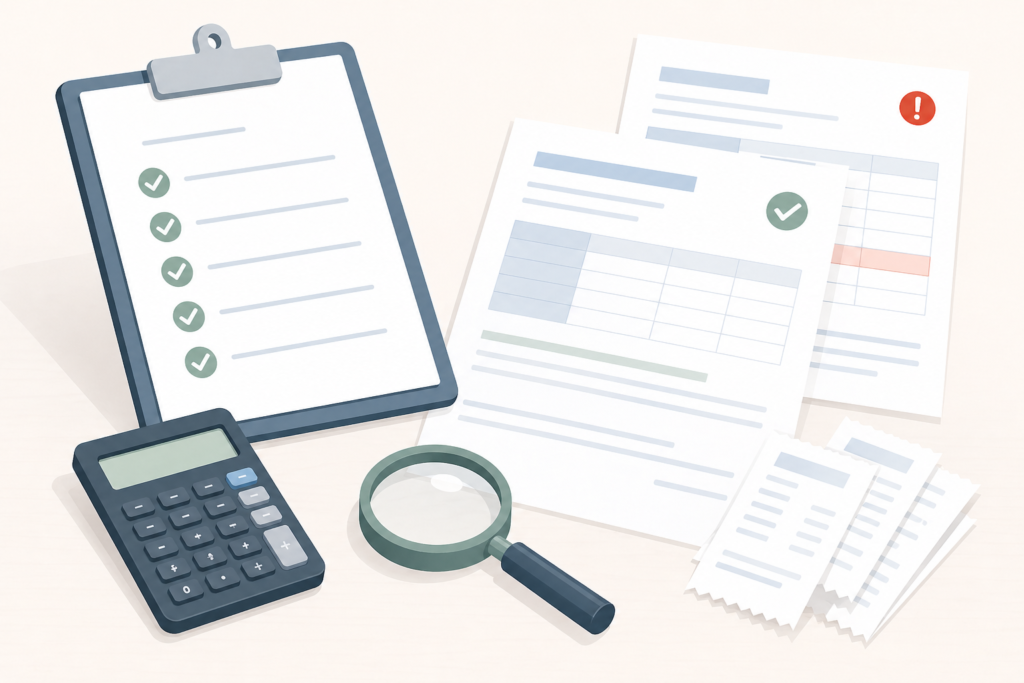
10. Use one clear system
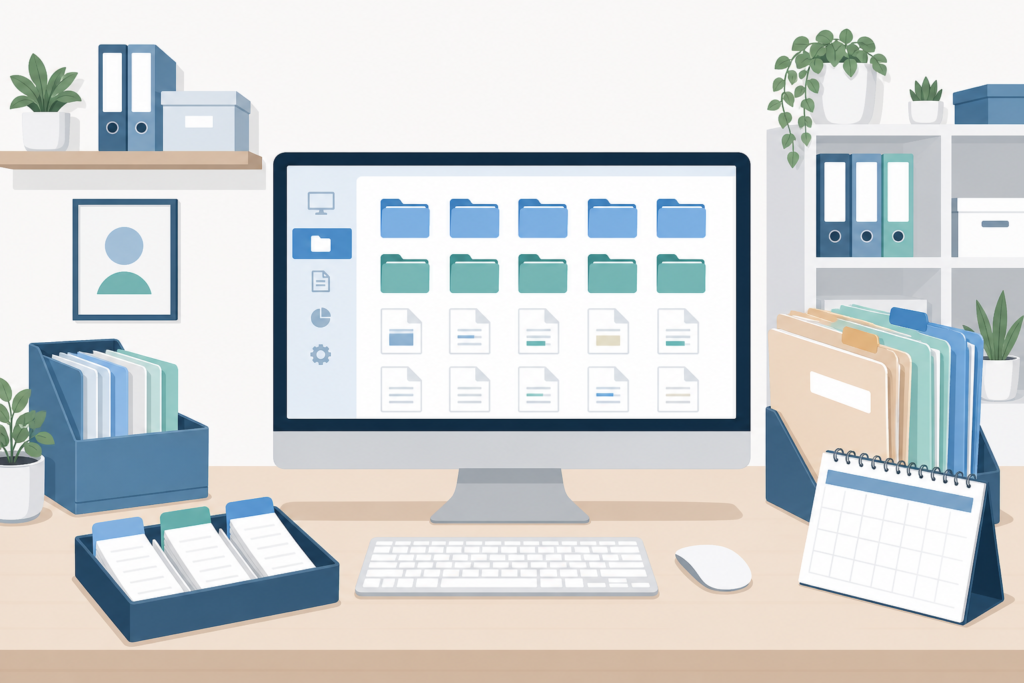
First, choose one simple filing system. For example, use labelled folders, cloud storage, or accounting software. Then stick to it.
11. Capture records early
Save receipts as you go. Also, back up files often. Finally, review everything before you submit.
Use these habits to stay on track:
- save receipts on the day you get them
- back up digital files often
- keep car and work-from-home notes current
- review your records before you lodge
- check key details one more time before you submit
For official guidance, see Preparing your tax return, Records you need to keep, and myDeductions.
How HarvestWise can help
If your records feel messy or incomplete, HarvestWise can help. We can support your tax return preparation, improve your bookkeeping, and help you build a cleaner process before lodgment.
You can also read more practical updates on our blog or contact us to discuss your situation.
Disclaimer
General information only. Tax outcomes depend on your circumstances. Speak to a registered tax professional for advice.