
 HarvestWise
Most small business tax problems don’t come from one big error. Instead, they build up over time. They often come from mixed transactions, missing records, and inconsistent GST coding. That’s why ATO focus areas 2025 matter. They show what commonly triggers questions and cleanups.
In this guide, you’ll learn the key ATO focus areas 2025. You’ll also learn seven simple habits that keep your books tidy all year.
ATO focus areas 2025: what the ATO commonly checks

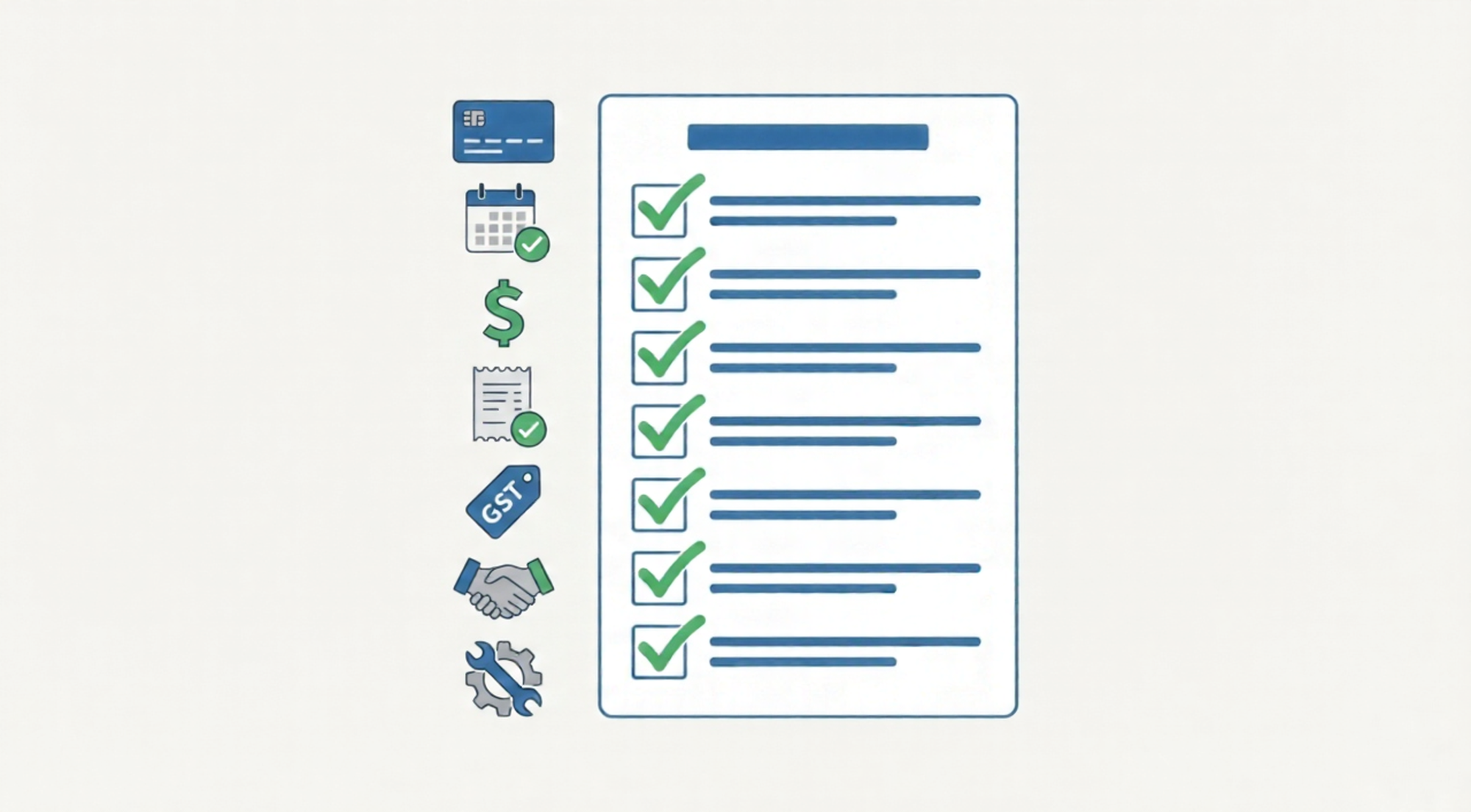
In general, ATO focus areas relate to basics being incomplete or inconsistent. As a result, these are the common areas they look at:
- Income not fully captured (especially across multiple channels)
- Deductions claimed without clear business purpose or support
- GST mistakes and inconsistent GST coding
- Late lodgments and late payments
- Business and personal spending mixed together
- Contractor and worker reporting gaps
- Unusual patterns that don’t match normal activity (for example, repeated large GST refunds)
For the official overview, start here:
https://www.ato.gov.au/businesses-and-organisations/corporate-tax-measures-and-assurance/our-focus-areas-for-small-business/small-business-focus-areas
ATO focus areas 2025: why they matter for small business
First, the ATO uses data to compare what you lodge against other information sources. Therefore, mismatches can stand out quickly.
Second, the ATO encourages small businesses to sense-check performance against benchmarks for similar businesses. In addition, this can help you spot issues early. More importantly, it helps you explain changes in profit, GST, or costs if you’re asked.
ATO data matching overview:
https://www.ato.gov.au/about-ato/commitments-and-reporting/information-and-privacy/data-and-analytics/data-matching
ATO small business benchmarks:
https://www.ato.gov.au/businesses-and-organisations/income-deductions-and-concessions/small-business-benchmarks
ATO focus areas 2025: the 7 audit-ready habits
These habits are simple. However, they work because they reduce messy “guessing later.” Even better, they make your numbers easier to explain if questions come up. As a result, you spend less time fixing and more time running your business.
1) Separate business and personal spending
Use a dedicated business bank account and card. Then keep personal items off the business statements.
If you do mix spending sometimes, fix it quickly. Otherwise, reconciliations get slower. They also get riskier.
2) Reconcile on a schedule (weekly or fortnightly)
Reconcile often, even if you lodge BAS quarterly. That way, you catch missing transactions, duplicates, and coding errors early.
As a result, BAS becomes a review step instead of a rescue mission. This is one of the best ways to stay aligned with ATO focus areas 2025.
3) Capture every income channel
List every place money can come from. For example:
- EFTPOS
- bank transfers
- online links or gateways
- marketplaces
- cash payments
Next, make sure each channel matches what’s recorded in your bookkeeping file. For instance, compare payouts to sales reports and bank deposits. This commonly overlaps with ATO focus areas 2025 around omitted income.
4) Make GST coding consistent
GST issues often come from “quick coding” without rules. Instead, use a consistent approach:
- apply the right GST code
- attach the right receipt
- confirm GST-free vs taxable supplies where relevant
Then review exceptions, not everything. In other words, fix the outliers first.
ATO GST overview:
https://www.ato.gov.au/businesses-and-organisations/gst-excise-and-indirect-taxes/gst
5) Treat contractors like a system
Keep a simple contractor pack:
- full name and ABN
- invoices
- payment proof
- contract or scope notes
Also, review whether any workers should be treated as employees. This area often ties into ATO focus areas 2025, especially when records are incomplete.
6) Save receipts and add short purpose notes
Save the receipt. Then add a short note when it’s not obvious.
For example: “client site tools,” “software for scheduling,” or “vehicle servicing for work use.” This makes deductions easier to support later. It also reduces back-and-forth if questions come up.
ATO business records guidance:
https://www.ato.gov.au/businesses-and-organisations/preparing-lodging-and-paying/business-records
7) Do a mini monthly close
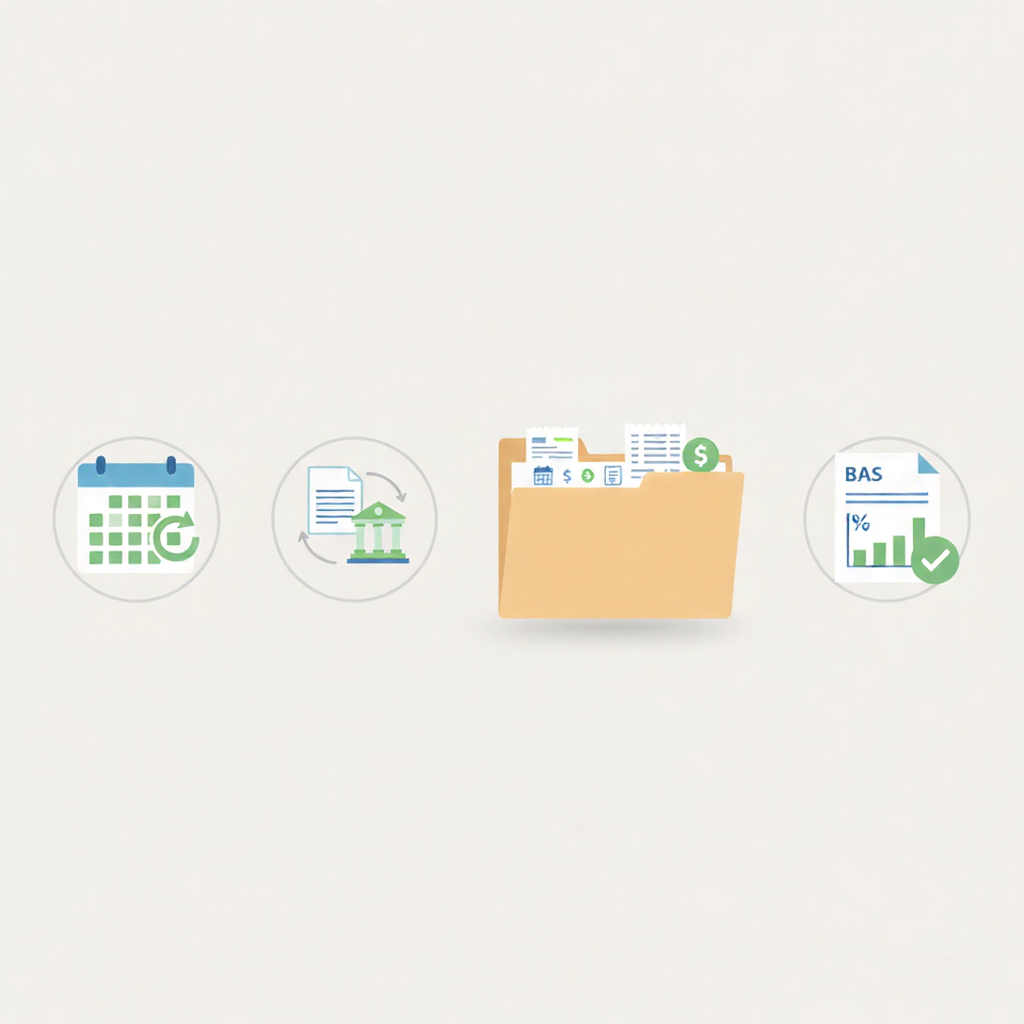
A monthly close does not need to be complex. Instead, run a short checklist:
- reconcile bank and credit cards
- review GST exceptions
- check overdue invoices and customer payments
- confirm payroll/super postings (if applicable)
- file key documents
As a result, EOFY becomes simpler. More importantly, this habit supports the goal behind many ATO focus areas 2025: consistent and explainable reporting.
ATO focus areas 2025: quick self-check
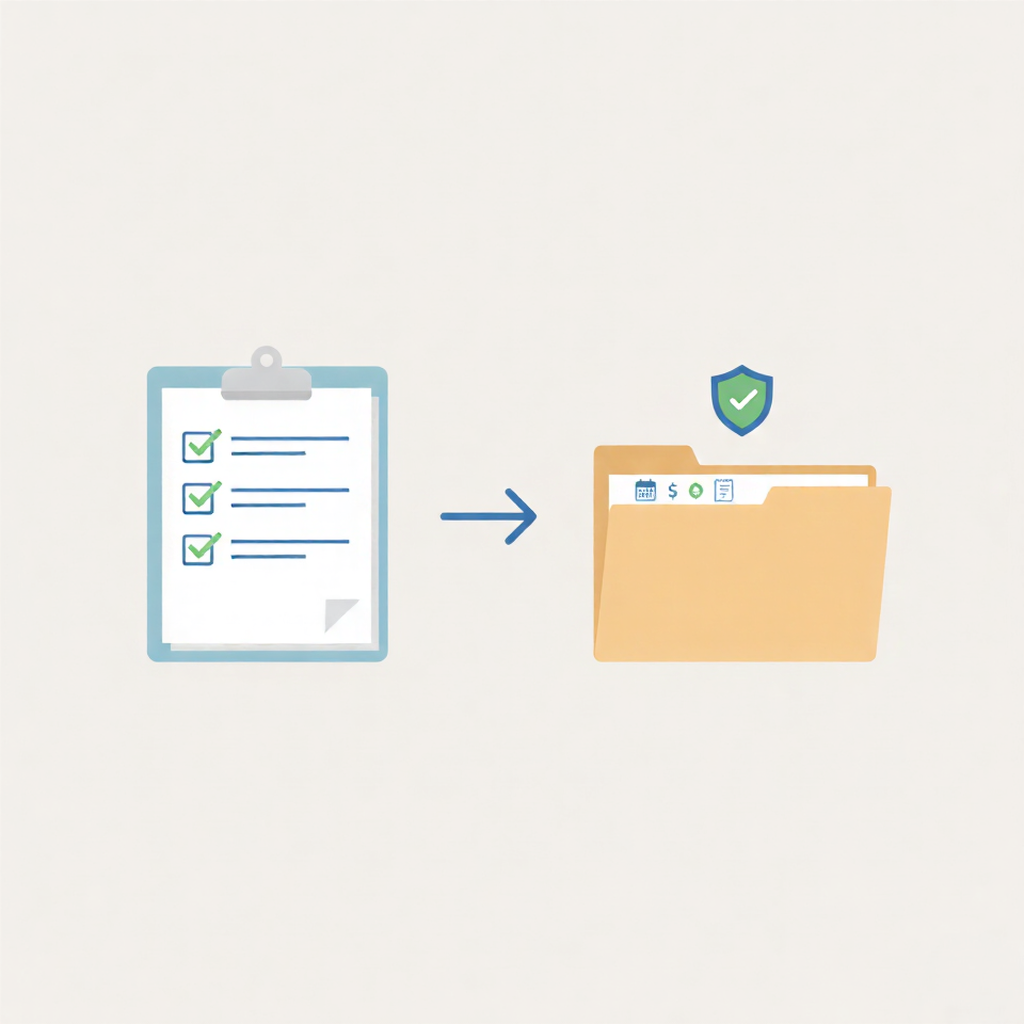
Run this once a month:
- Business and personal spending separated
- Bank and credit cards reconciled
- All income channels captured
- GST exceptions reviewed
- Contractor records complete
- Receipts stored with clear notes
- Monthly close checklist completed
If you answered “no” to two or more, start with separation and reconciliation first. Then move down the list.
Common mistakes that trigger cleanups
These problems show up often:
- leaving reconciliations until BAS week
- claiming deductions without clear support
- changing GST treatment without documenting why
- mixing personal spending and “sorting it later”
- forgetting income from side channels or platforms
The fix is usually simple. However, it works best when you apply it early. So, aim to clean up weekly or monthly, not at BAS time.
How HarvestWise Accounting can help
If you want support, we can help you set up a clean process. Then we can help you keep it consistent with the ATO focus areas 2025 that matter most for small business.
Services:
https://harvestwiseaccounting.com.au/services/
Tax returns:
https://harvestwiseaccounting.com.au/services/tax-returns/
Bookkeeping:
https://harvestwiseaccounting.com.au/services/bookkeeping/
Contact:
https://harvestwiseaccounting.com.au/contact-us/
More guides:
https://harvestwiseaccounting.com.au/blog/
Disclaimer
General information only. Tax outcomes depend on your circumstances; speak to a registered tax professional for advice.