

 John Jevi dela Cruz
Payday Super starts on 1 July 2026. From then on, employers must pay super with each pay run. So, super will no longer be paid quarterly.
This is a big change for many small businesses. It affects payroll. It also affects cash flow. In addition, it affects how you keep records. Because of that, it is smart to prepare early.
For official guidance, see the ATO’s Payday Super page:
https://www.ato.gov.au/businesses-and-organisations/super-for-employers/payday-super/about-payday-super
What Payday Super means
Payday Super changes the timing of super payments. In the past, many employers paid super once a quarter. Under the new system, employers will pay super on payday instead.
In general, the payment must reach the employee’s super fund within 7 business days of payday. However, some limited exceptions may apply. So, it is important to know how long your process takes from start to finish.
This means you can no longer leave super until the end of the quarter. Instead, super needs to become part of your normal payroll routine.
Payday Super: what changes from 1 July 2026
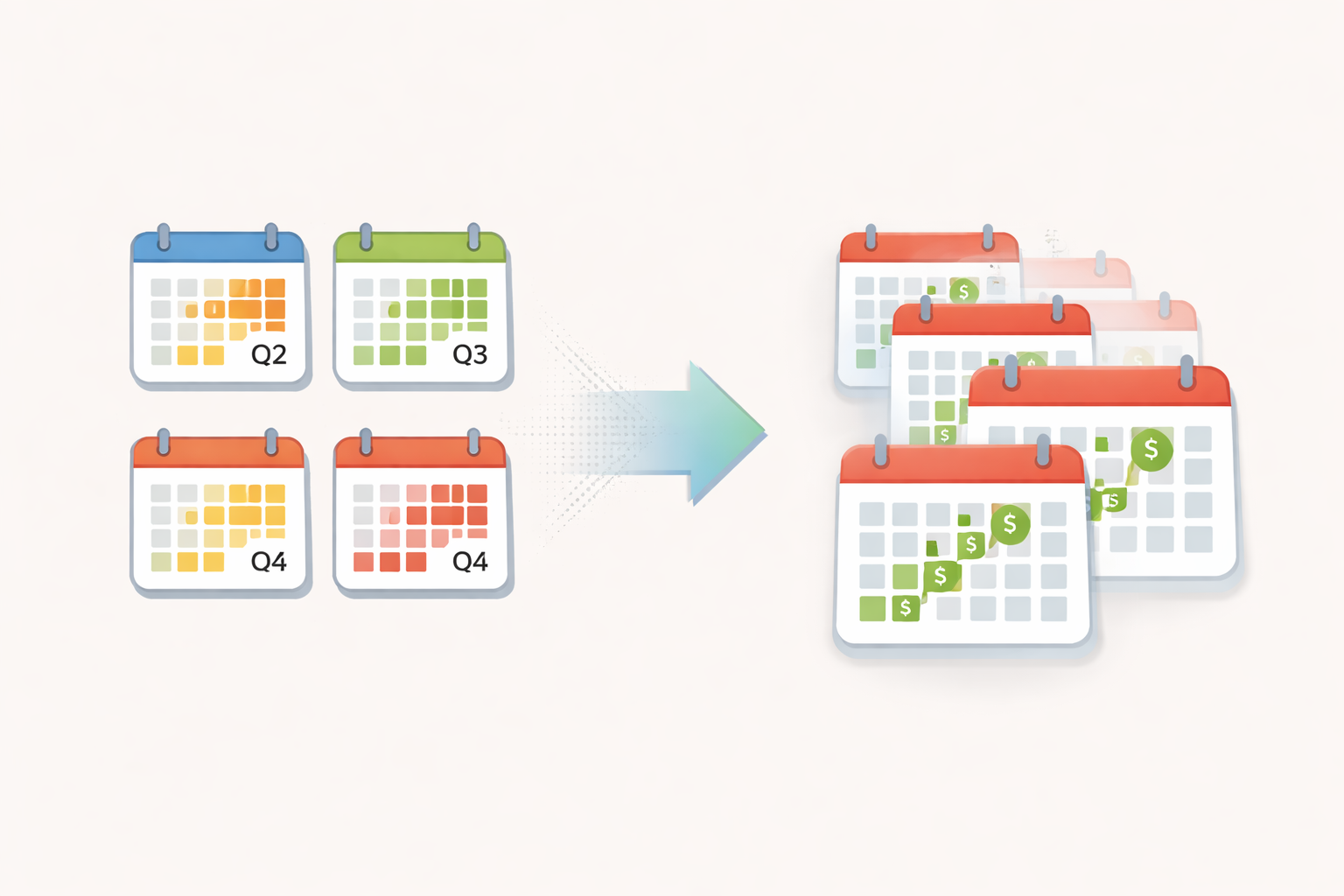
The change is simple in theory. However, it can still affect your daily process.
From 1 July 2026:
- super will be calculated with each pay run
- super will be paid with each pay run
- payroll teams will need to act faster
- businesses will need to plan cash flow more often
As a result, the old habit of leaving super until quarter-end will no longer work well. So, the safest way is to treat super like wages. In other words, when wages are due, super is due too.
For the Treasury factsheet, see:
https://treasury.gov.au/sites/default/files/2024-09/p2024-581438-payday-super-factsheet.pdf
Who needs to pay attention
Payday Super matters to employers who pay Super Guarantee for eligible workers. So, if you run payroll, this change matters to you.
If you already pay super every pay cycle, the change may feel smaller. Even so, you should still review your setup. That includes your payroll settings, your payment method, and your timing.
If you want help with payroll processes, see our bookkeeping service:
https://harvestwiseaccounting.com.au/services/bookkeeping/
Payday Super: 7 simple steps to get ready
1) Map your pay cycle for Payday Super
First, confirm how often you pay staff. For example, you may pay weekly, fortnightly, or monthly. Then list the actual payday for each cycle.
This is the starting point. After all, Payday Super follows your pay cycle.
2) Review your payroll settings
Next, check your payroll system. Make sure pay items, earnings types, and super settings are correct.
Small coding errors can cause bigger problems later. So, fix them before the new rules begin.
3) Check your payment method
Then review how you send super now. For example, you may use payroll software, a clearing house, or another service.
Also, check how long the full process takes. This matters because it is not enough to just press “pay.” The money still needs to reach the fund on time.
4) Build a small buffer
Do not wait until the last day. Instead, build a buffer into your routine.
For example, you may decide to process super on payday or the next business day. That extra time can help if there is a delay with banking, file errors, or approvals.
5) Update your cash flow routine
Quarterly super gives businesses more time to hold cash. Payday Super changes that.
So, start treating super like payroll. In other words, if wages are due, super is due too. This makes cash flow planning much easier.
If you want help with tax and payroll planning, see our tax returns service:
https://harvestwiseaccounting.com.au/services/tax-returns/
6) Keep proof for every pay run
Create one simple folder for each pay run. Then save:
- the payroll report
- the super summary
- the payment confirmation
- the clearing house receipt
This keeps the record clear. It also makes reviews much easier later.
7) Run a test before 1 July 2026
Finally, do a dry run before the rules start. Pick one pay cycle and follow the full process from start to finish.
Then look for delays. For example, you may find slow approvals, wrong coding, or payment timing issues. It is much easier to fix those problems early.
For more ATO Payday Super resources, see:
https://www.ato.gov.au/businesses-and-organisations/super-for-employers/payday-super/payday-super-resources
Common Payday Super mistakes
Mistake 1: Waiting too long to process super
A short delay may not sound serious. However, tight deadlines make small delays more risky. So, process super as soon as payroll is final.
Mistake 2: Treating super as a finance task for later
That may have worked before. Under Payday Super, it creates more risk. Instead, add super to your payroll checklist.
Mistake 3: Using unclear pay items
If pay categories are messy, super may be wrong. So, review earnings types and document your setup.
Mistake 4: Keeping weak records
If you cannot show what was paid and when, the clean-up becomes harder. Therefore, keep payroll proof and super proof together every pay run.
A simple Payday Super checklist
Use this checklist before 1 July 2026:
- confirm your pay frequency and payday dates
- review payroll settings and super calculations
- check how long your payment method takes
- build a 1- to 2-day buffer
- update your cash flow plan
- create a folder for payroll and super proof
- run a test cycle before the rules begin
How HarvestWise Accounting can help
If you want help getting ready for Payday Super, we can review your payroll process and clean up coding issues. We can also help you build a simple checklist for each pay cycle.
In addition, we can help you set up a smoother monthly close process. As a result, payroll, super, and record keeping stay organised.
Contact us here:
https://harvestwiseaccounting.com.au/contact-us/
You can also browse more guides here:
https://harvestwiseaccounting.com.au/blog/
Disclaimer
General information only. Tax outcomes depend on your circumstances. Speak to a registered tax professional for advice.