
 John Jevi dela Cruz
A work from home deduction can help reduce your tax bill, but only if you follow the ATO rules and keep the right records. It is easy to miss valid costs or claim the wrong ones. So, before you lodge, it makes sense to check the basics carefully.
How a work from home deduction works
A work from home deduction usually covers extra running expenses you incur because you do your job from home. These can include energy, phone, internet, stationery, and the decline in value of some work items. However, you can only claim the work-related portion.
The ATO allows two main methods for employees. You can use the fixed rate method or the actual cost method. Therefore, the best choice depends on your records and the kind of expenses you want to claim.
For the official rules, see the ATO guidance on working from home expenses.
Who can claim a work from home deduction
You can only claim if you work from home to fulfil your employment duties. In other words, doing a few minor tasks at home is not enough on its own.
You must also incur extra running costs and keep records to support the claim. Because of that, good record-keeping matters from day one.
9 costly work from home deduction mistakes to avoid
1. Claiming private household costs as work expenses
This is one of the most common mistakes. You cannot claim general private costs just because you worked from home.
Instead, focus on additional running costs caused by your work. That difference matters, because it separates a valid claim from a risky one.
2. Failing to keep records from the start
A work from home deduction depends on records. If your records are weak, your claim is weak too.
So, track your hours, bills, and receipts as you go. Waiting until tax time often leads to rough guesses and missing evidence.
3. Estimating your hours instead of recording them
The fixed rate method requires a record of the actual hours you work from home during the income year. Estimates are not enough.
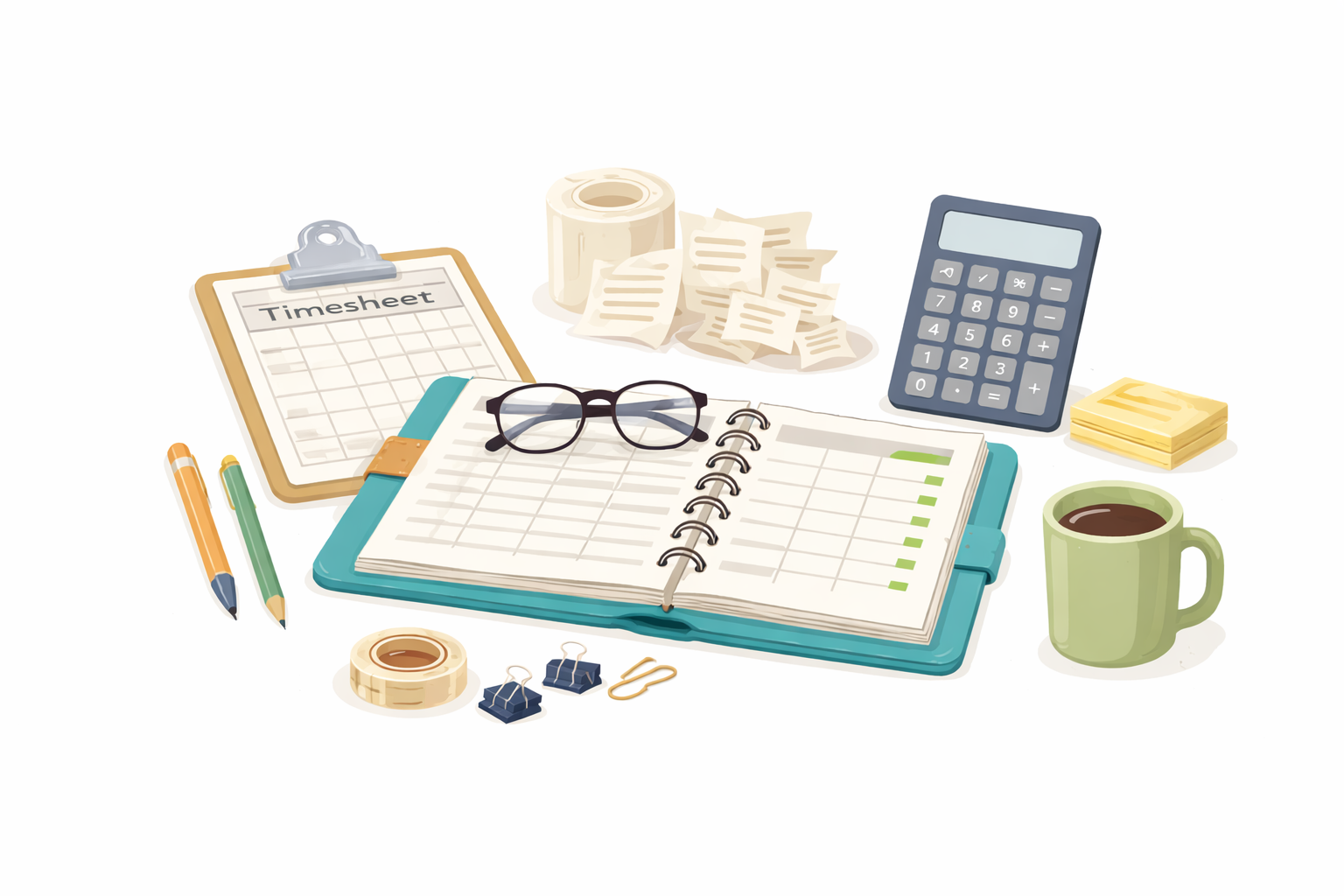
Use a diary, spreadsheet, roster, or timesheet and update it when you work. For the fixed rate rules, see the ATO’s fixed rate method.
4. Choosing the wrong method for your records
The fixed rate method is often simpler. For the 2024–25 income year, the ATO rate is 70 cents per work hour.
However, the actual cost method may suit you better if your extra costs are higher and your records are stronger. So, do not choose a method just because it sounds easier.
5. Double claiming phone, internet, or energy
If you use the fixed rate method, that rate already covers energy, phone, internet, stationery, and computer consumables. So, you cannot claim those same running costs again as separate deductions.
This mistake is easy to make. As a result, some claims become overstated without the taxpayer realising it.
6. Assuming you can claim rent or mortgage interest
Most employees working from home cannot claim occupancy expenses such as rent, mortgage interest, council rates, water rates, or home insurance. That idea sounds attractive, but it is usually wrong.
In most cases, employees claim running expenses, not occupancy expenses. Therefore, a spare room or desk setup does not automatically create a rent or mortgage claim.
7. Claiming costs your employer paid for
You cannot claim a deduction for items your employer reimbursed or provided. That includes things like a laptop, phone, or other work items paid for by the employer.
Because of that, check each expense before you include it. Clear records help you separate personal spending, employer support, and deductible costs.
8. Forgetting desks, chairs, and equipment
Some work items may support a separate claim for decline in value. In some cases, an item that costs $300 or less and is mainly used for work may be immediately deductible.
So, keep the invoice and note how much you use the item for work. Private use can reduce the claim, so this step matters.
9. Lodging before you check the calculator and your evidence
The ATO’s home office expenses calculator can help you compare methods and estimate your claim. However, the calculator does not replace proper evidence.
Before you lodge, review your hours, receipts, and work-related use carefully. You can compare your options with the ATO home office expenses calculator.
Work from home deduction records that matter
Good records do more than support your claim. They also help you choose the right method and avoid double claims.
For the fixed rate method, you need records of your actual work-from-home hours and at least one record for each type of covered running expense. For the actual cost method, you need records that show the amount you spent and how you worked out the work-related portion. You can read more on the ATO’s actual cost method.
Common myths about a work from home deduction
One myth is that everyone who works remotely can claim anything they bought for home comfort. That is not how the rules work. You must link the expense directly to earning your employment income.
Another myth is that a dedicated room always creates a claim for rent or mortgage interest. For most employees, it does not. So, it is safer to focus on valid running expenses and strong records.
A quick work from home deduction checklist
Before you lodge, run through this short list:
- confirm that you worked from home to do your employment duties
- choose the fixed rate method or actual cost method
- check that your work-from-home hours are recorded properly
- gather bills, receipts, and proof of work-related use
- remove any costs your employer paid for
- check that you have not double claimed phone, internet, or energy
- review whether any equipment claim needs decline in value treatment
This quick review can save time and reduce stress. In addition, it can make your return easier to support if questions come up later.
How HarvestWise can help with a work from home deduction claim
A work from home deduction can look simple at first, but the detail matters. If your records are messy, your hours are incomplete, or you are not sure which method fits best, HarvestWise can help you organise the claim properly.
You can learn more about our services, read more practical updates on our blog, or contact us to discuss your situation.
Disclaimer
General information only. Tax outcomes depend on your circumstances. Speak to a registered tax professional for advice.