
 John Jevi dela Cruz
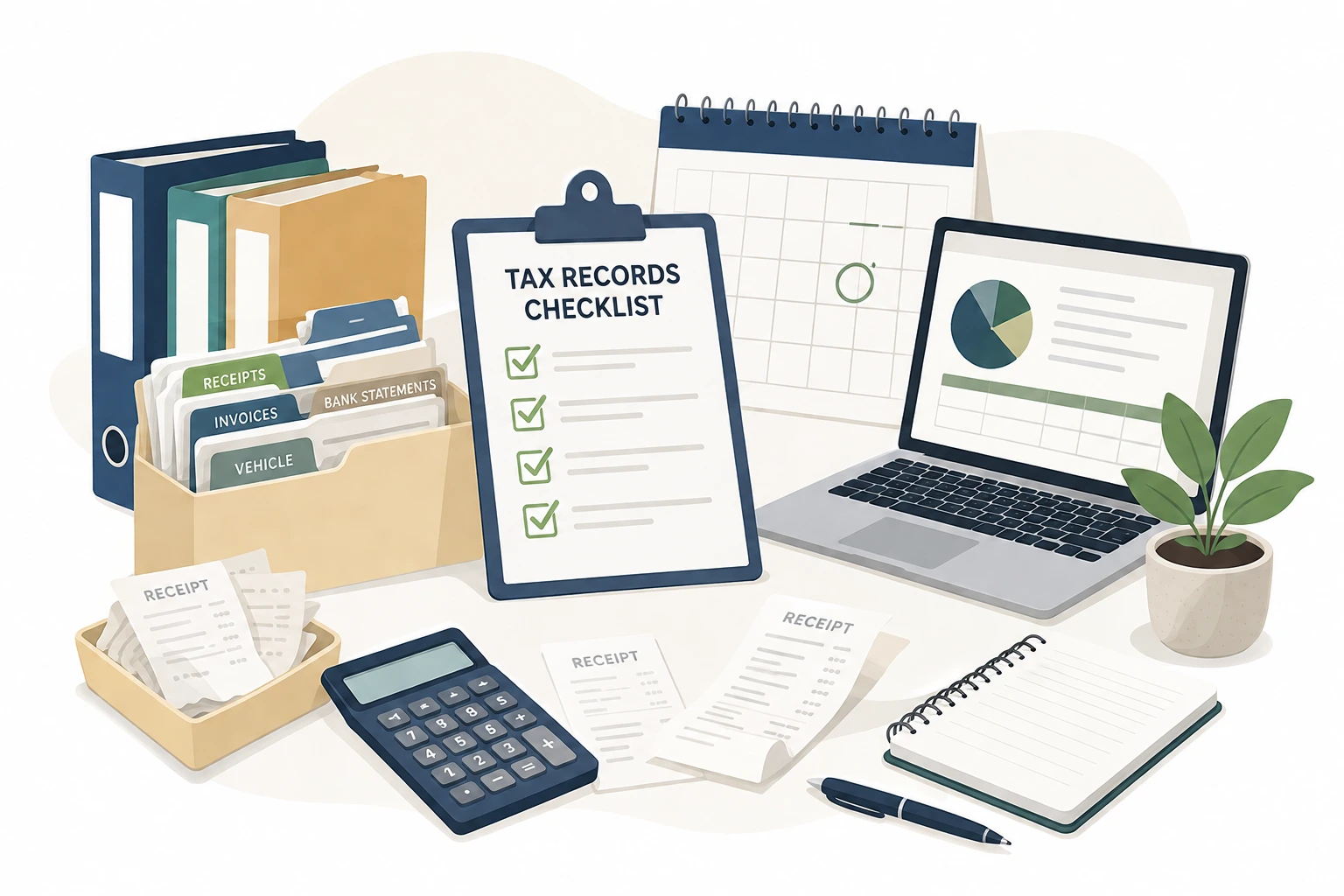
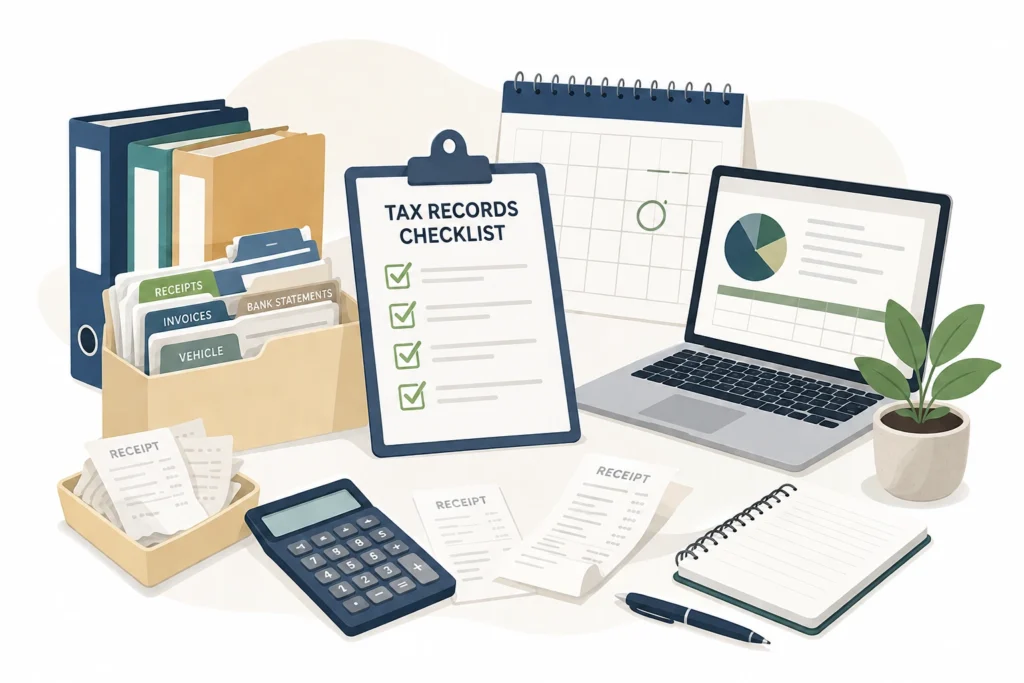
A tax records checklist can save time, reduce stress, and protect your tax return. It helps you keep the right evidence, support your claims, and avoid expensive mistakes. So, before tax time gets busy, it is smart to tighten your record keeping now.
Why good records matter at tax time
Good records do more than keep you tidy. They also make lodgment easier, support your claims, and help you answer questions faster later on.
For many people, the general rule is 5 years. However, some records need to stay with you longer. This often applies to capital gains tax assets, depreciating assets, and some business records.
Tax records checklist for employees and families
1. Keep income records complete
First, keep income statements, PAYG summaries where relevant, dividend statements, and other records that show what you earned. Otherwise, it becomes much easier to miss income or report the wrong figure.
2. Keep deduction receipts early
Next, save receipts and invoices as you go. If you wait until tax time, you will usually lose documents, forget details, or waste time searching old emails.
3. Match records to the claim method
Some claims need more than a receipt. For example, work-from-home and car claims can also need diaries, rosters, calendars, timesheets, or logbooks. Therefore, your tax records checklist should match each claim to the evidence it needs.
4. Keep car records clear
Car claims often break down because the logbook is weak or the supporting receipts are missing. So, if you plan to claim car expenses, keep the records for the method you use and keep them current.
Tax records checklist for sole traders and businesses
5. Separate private and business spending
This is one of the easiest fixes. When private and business costs sit together, the records become harder to trust and harder to review.
6. Keep BAS and GST support
Do not keep only the lodged BAS. Instead, keep the sales records, purchase records, tax invoices, and working papers behind the figures as well. As a result, you can explain the reported numbers if anyone asks later.
7. Keep payroll and super records tidy
If you have employees, keep payroll records, withholding records, leave records, payslips, and super contribution evidence together. In addition, keep them easy to retrieve, because payroll questions rarely arrive at a convenient time.
8. Back up your core business records
Bank statements, supplier bills, invoices issued, contracts, and payment records should be easy to find. Meanwhile, a simple digital filing system can save hours of cleanup later.
Rental property and asset records that need extra care
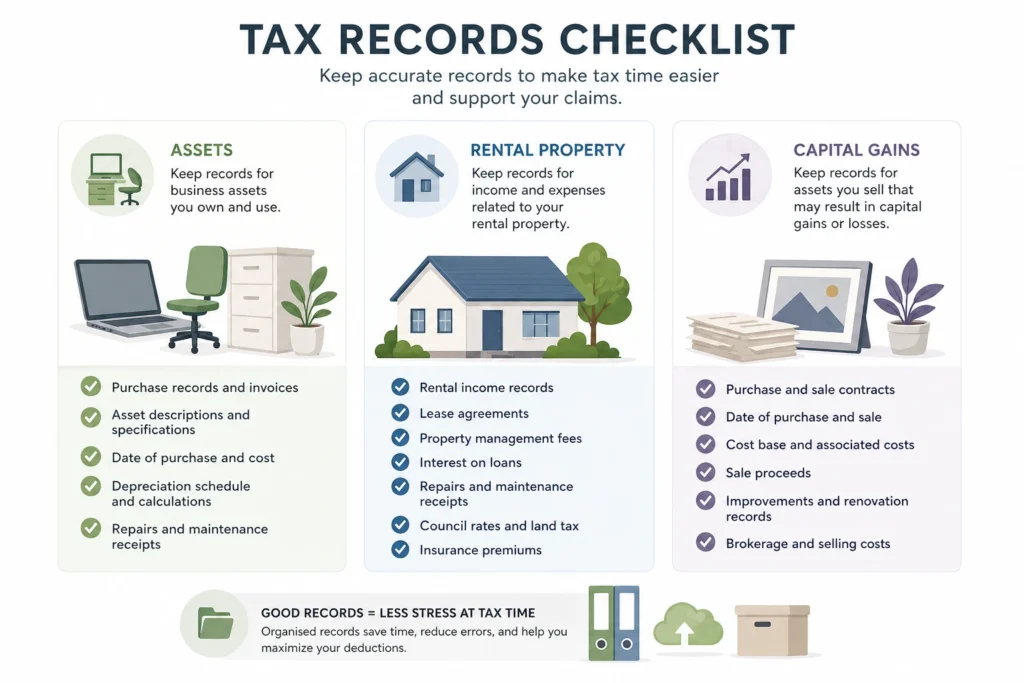
9. Keep rental property records together
Rental records often end up scattered across email, bank accounts, agent portals, and paper folders. So, keep rent statements, loan interest records, rates notices, insurance, repairs, and maintenance records in one place.
10. Keep CGT and depreciation records longer
Some asset records need extra care because the retention period can stretch well beyond the usual cycle. For property and other CGT assets, records about buying, owning, improving, and selling can matter years later. Likewise, depreciating asset records can remain important well after the first claim.
How long to keep tax records
11. Check the retention rule before you delete anything
Many people assume every record has the same time limit. However, that is where expensive mistakes begin.
As a general guide, many individual records are kept for 5 years from lodgment. Many business records are kept for 5 years from when the record was prepared or obtained, or when the transaction happened, whichever is later. Meanwhile, CGT asset records generally need to be kept longer, and individual depreciating-asset records generally run for 5 years from the last decline-in-value claim.
Therefore, your tax records checklist should do two jobs. It should tell you what to keep, and it should also help you keep records for the right length of time.
Tax records checklist tips to stay organised
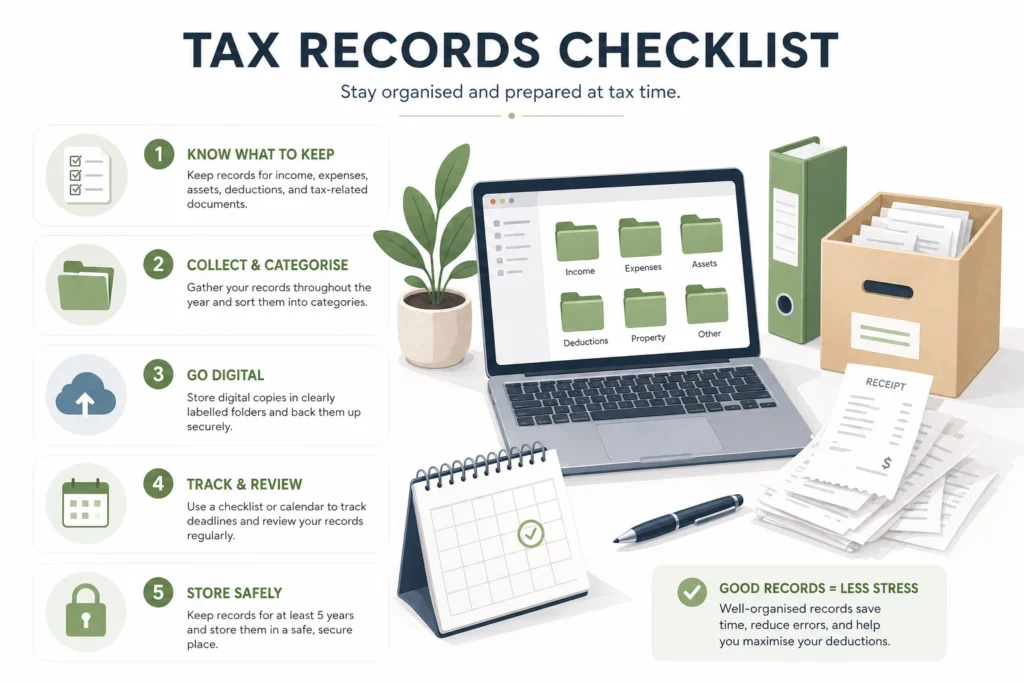
A tax records checklist works best when you use it all year. In other words, it should not appear only when June arrives.
Use simple habits like these:
- store receipts and invoices in labelled digital folders
- back up records regularly
- save major contracts and asset papers in one place
- keep a running record of work-from-home and car use
- review your files before each BAS or tax deadline
The ATO also offers tools that can help you keep records during the year. For example, myDeductions in the ATO app can help individuals and sole traders keep records in one place, including photos of receipts and invoices. It can also help track work-related trips and some income and expense records.
You can review the official ATO pages on Records you need to keep, Overview of record-keeping rules for business, and myDeductions.
How HarvestWise can help
If your records feel messy, incomplete, or hard to trust, HarvestWise can help you get control of them. We can support your financial admin, improve your record-keeping process, and make tax time easier to manage.
You can explore our tax return services, get support with bookkeeping, read more practical updates on our blog, or contact us to discuss your situation. HarvestWise’s site currently presents these service and contact paths publicly.
Disclaimer
General information only. Tax outcomes depend on your circumstances. Speak to a registered tax professional for advice.
2 Comments
Rental Property Tax Return 2026: What to Check
September 9, 2026[…] For a broader preparation list, use our tax records checklist. […]
Tax Return Pre-Fill: 7 Costly Mistakes to Avoid
September 23, 2026[…] deductions separately from the tax return pre-fill. Our tax records checklist can help you identify the supporting documents you […]